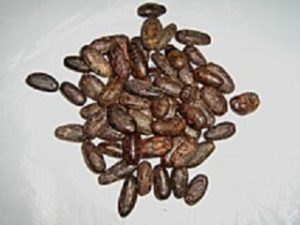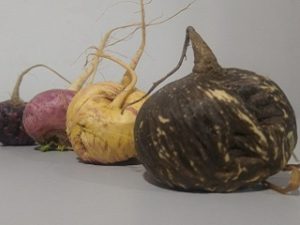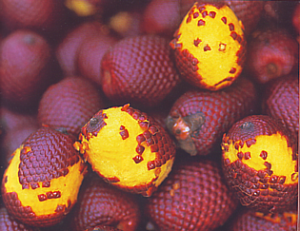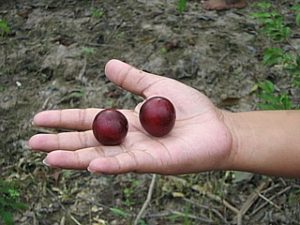
Thousands of years ago from ancent peruvian cultures the fusion of the land and andean wisdom created a special harvest – Peru Superfoods. These products born of Peruvian Biodiversity and high traditional knowledge are part what today is known in the world as Superfoods. Natural and Healthy products, the best for a healthy lifestyle.
Peru is one of the 10 most diverse countries in the world, it has 84 life zones and 28 types of climate (a) . In fact according the scientists is the one that has given more useful species to the world.
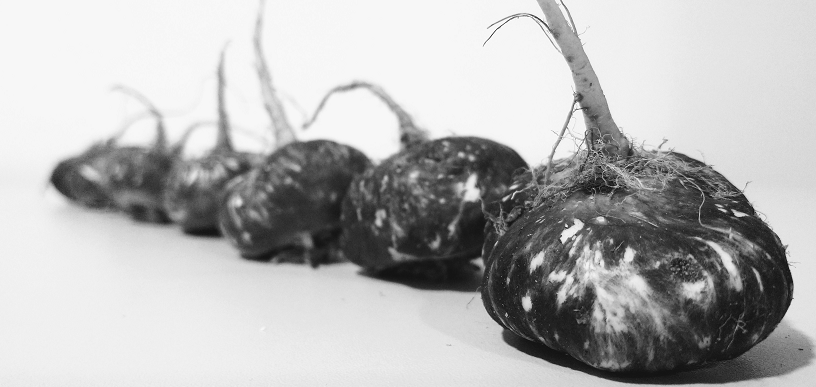
The world requires new species for its consumption, so grains, many Andean tubers, fruits of the jungle and herbs used by our ancestrals are beginning to be rediscovered by the world.
Healthy Foods
What are Peruvian Superfoods?
Peruvian Superfoods are considered whole (real, unprocessed, in its original form) food with high nutrient density in only small amounts of them and very few calories. They are foods with usually superior sources of antioxidants, vitamins and minerals. Nutrients that people need for the proper functioning of our body.
These Superfoods are the fruit of the richness of Peruvian territory and are sustained by the diversity of soils, the variability of the climate and the characteristics of coast, which favor a constant production during all seasons.
There are many reasons that make Peru the territory of Superfoods (b):
- Peru is one of the most biodiverse countries in the world. Geographical and microclimate diversity favors a great variety of these products to grow naturally and in abundance.
- Ancient wisdom. More than two million families apply knowledge related to the field and transmitted over several generations.
- Traceability and innovation, Peru has process chains that are transparent and sustainable from planting to final marketing. The products pass demanding quality controls that are endorsed by multiple international certifications.
- Gastronomy, Peru has positioned itself as a gastronomic destination worldwide. Each food perfectly combines ingredients with the skill of the people and history.
- Peruvian export capacity.
Intimaca is a Peru Superfoods company selling the best products since 2002.
Intimaca Peru Superfoods company offers you new smells and flavours to discovery.